
IEEE Robotics and Automation Letters, accepted July 2026

FRA-NBV: A Fast and Reflectivity-Aware Next-Best-View Strategy

G. F. Preziosa, E. Setti, M. Faroni, A. M. Zanchettin, and P. Rocco

Politecnico di Milano

Contact: giuseppefabio.preziosa@polimi.it

Paper coming soon Watch video

Overview Video

Method

Pipeline Overview

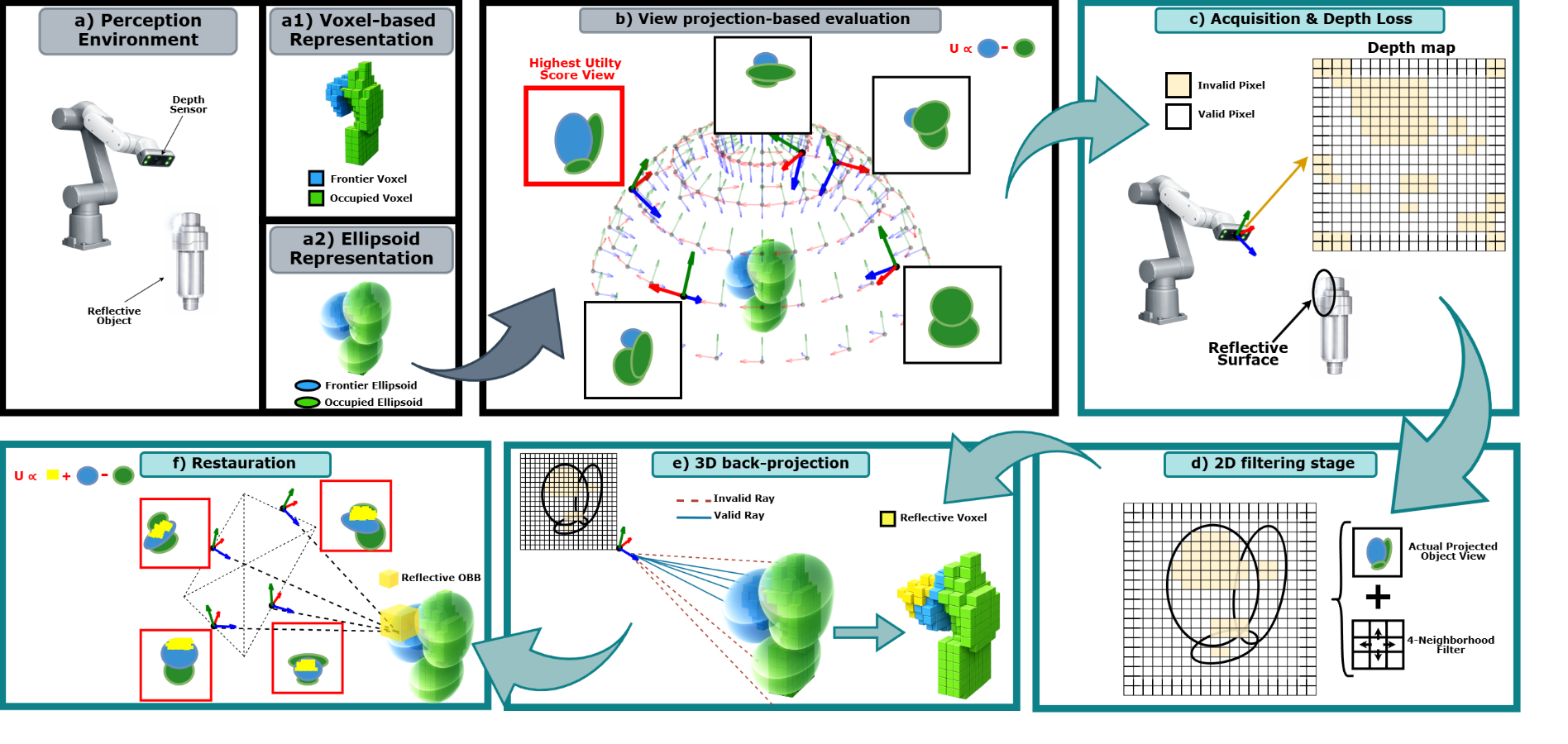
FRA-NBV reconstruction pipeline overview
Overview of the proposed FRA-NBV pipeline. The method maintains (a1) a voxel-based volumetric representation of the scene and (a2) an auxiliary ellipsoidal representation that compactly approximates occupied and frontier regions. The ellipsoidal model supports fast view evaluation (b), where candidate poses are scored by projecting ellipsoids onto the image plane and computing a utility from projected areas. After selecting the next-best view (c), depth acquisition on highly reflective surfaces may produce many invalid pixels. A first filtering step (d) uses the projected object silhouette to discard invalid pixels that are not attributable to reflective regions. The remaining invalid pixels are then back-projected through the ellipsoidal representation to localize the 3D reflective region responsible for missing measurements (e). Finally, a dedicated restoration strategy (f) samples four tilted recovery poses. The selected reflective 3D region, clustered as an oriented bounding box, is projected into 2D and used within the same projection-based evaluation to choose the recovery viewpoint.

Experimental validation

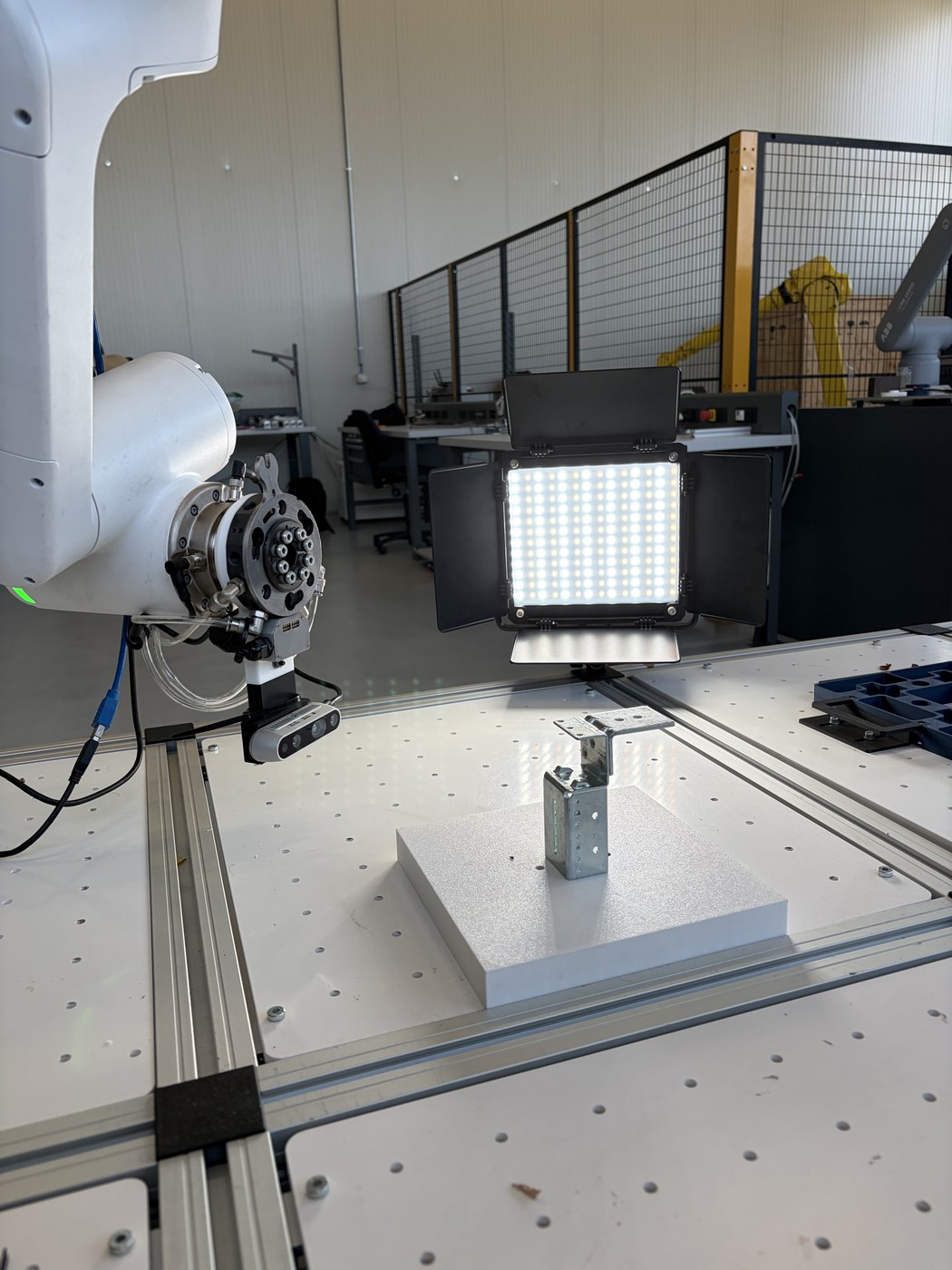
Experimental Setup and Acquisition Views

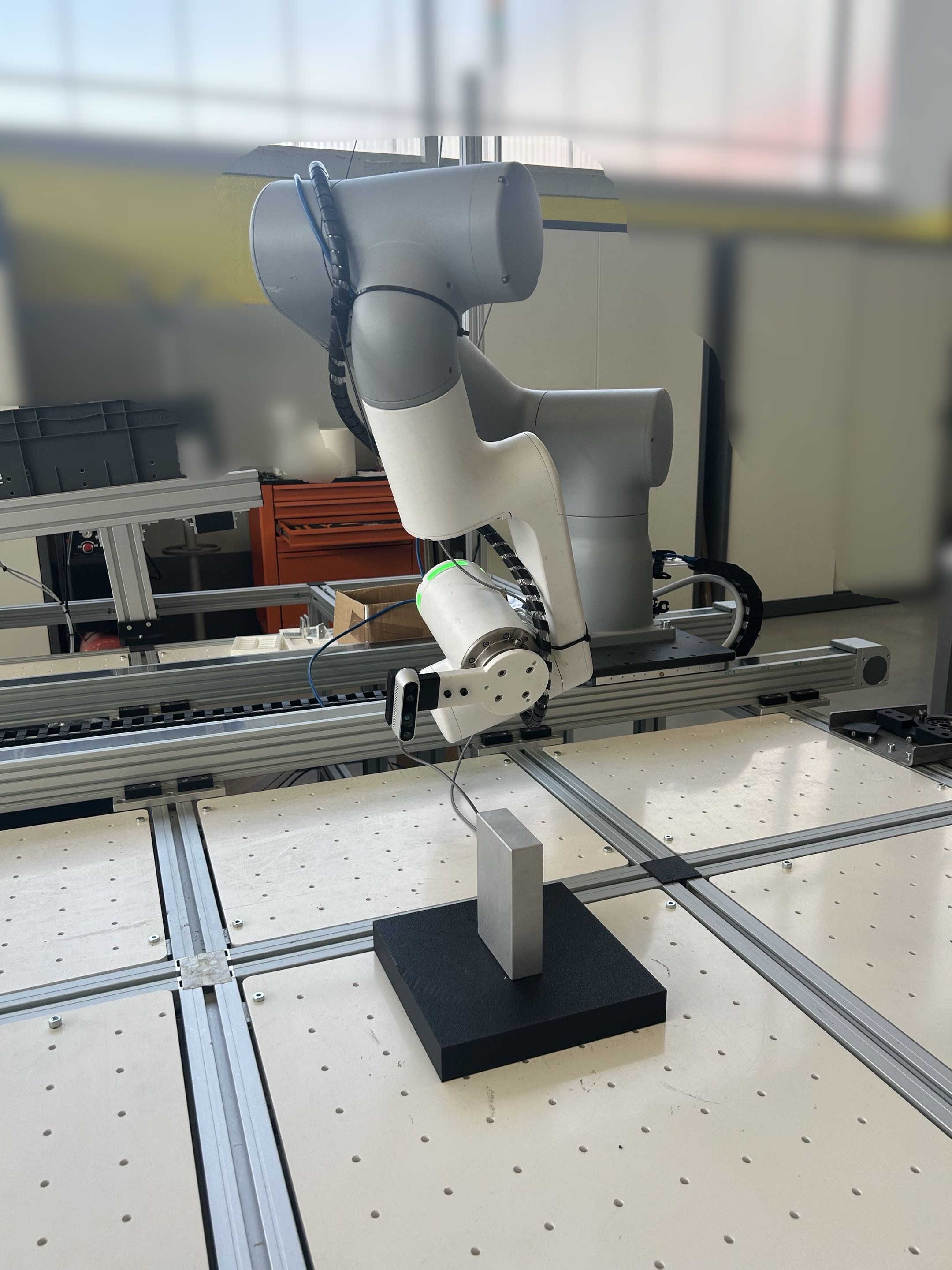
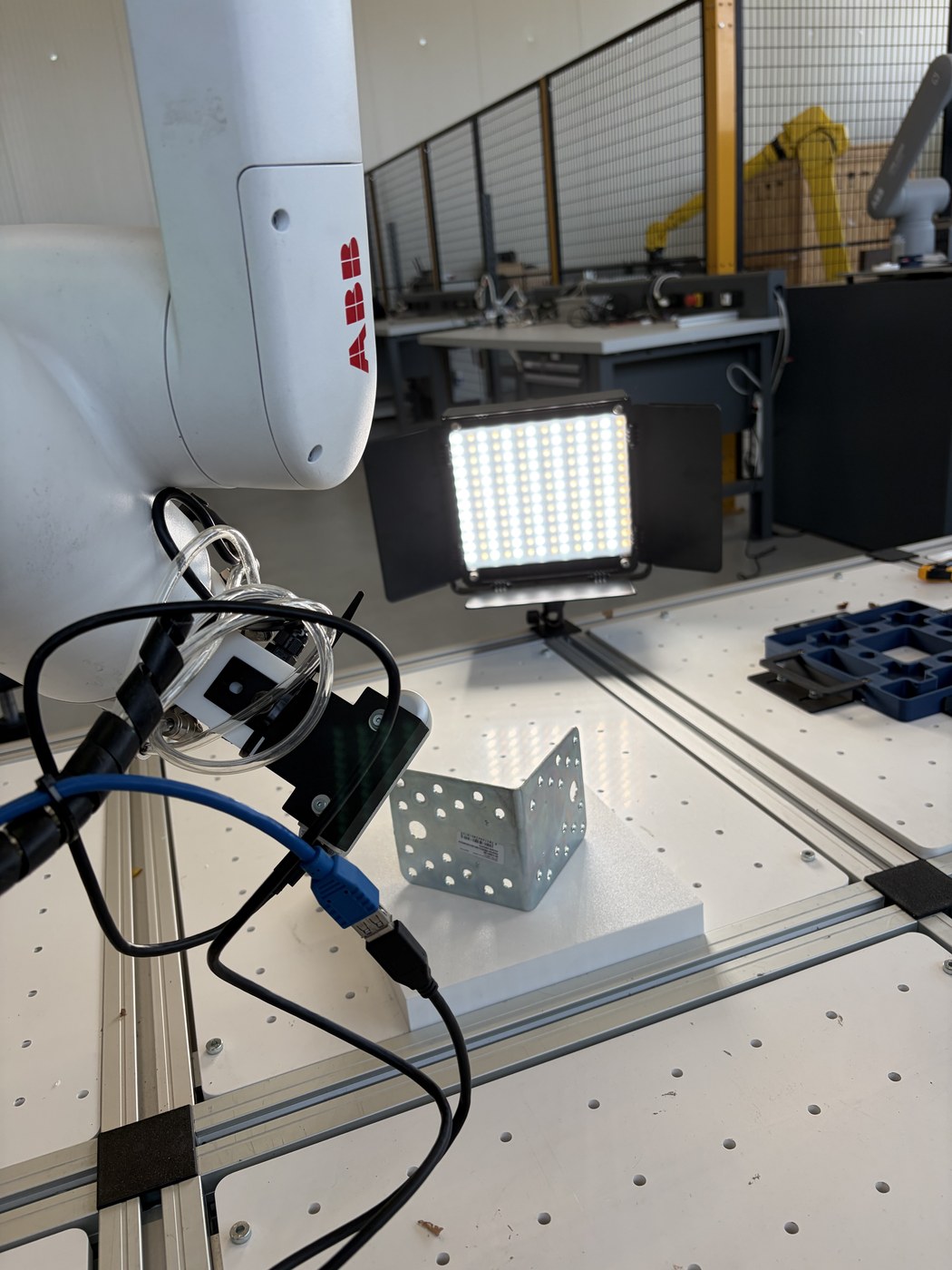
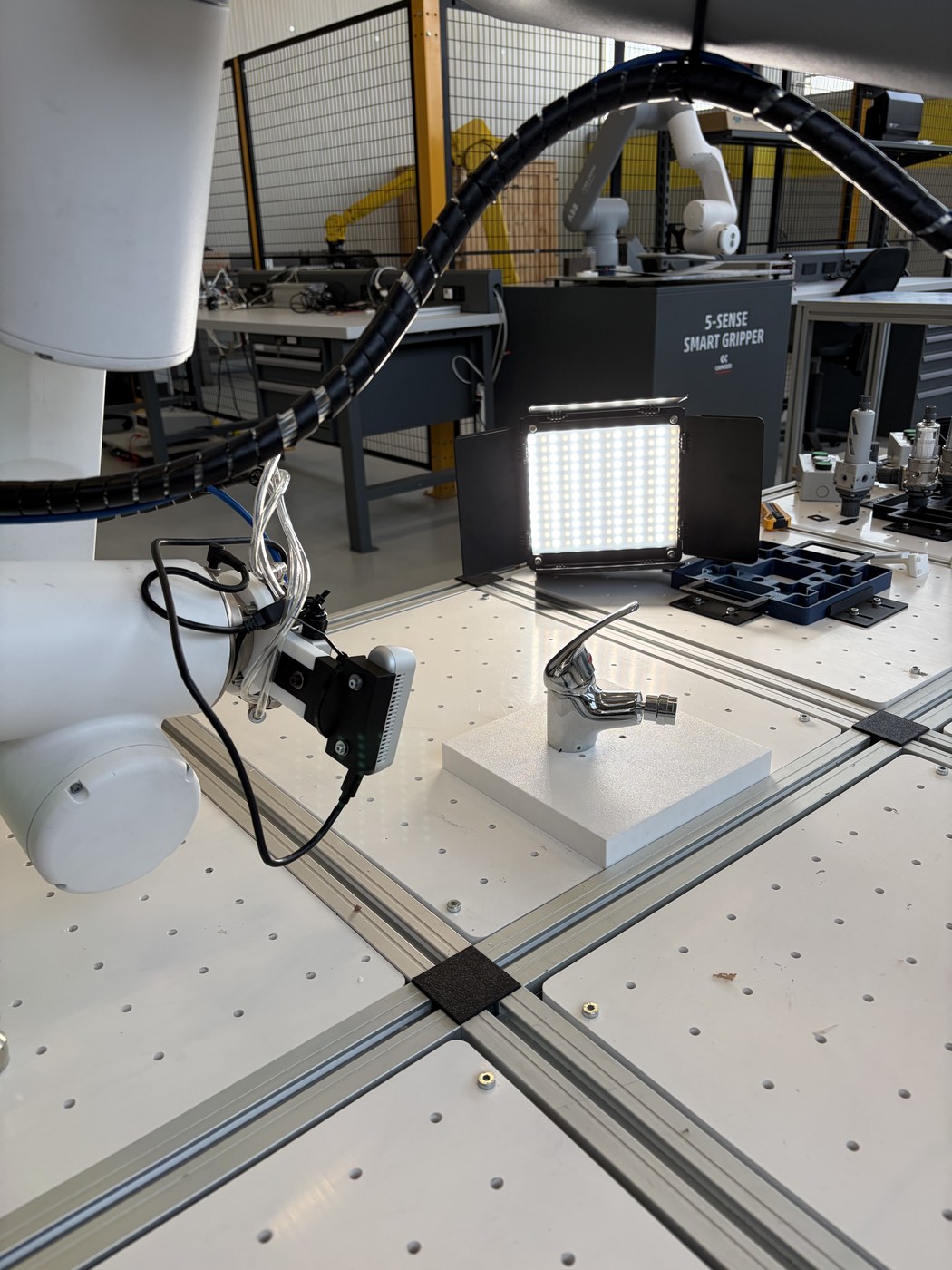
Experimental setup Robot acquisition view
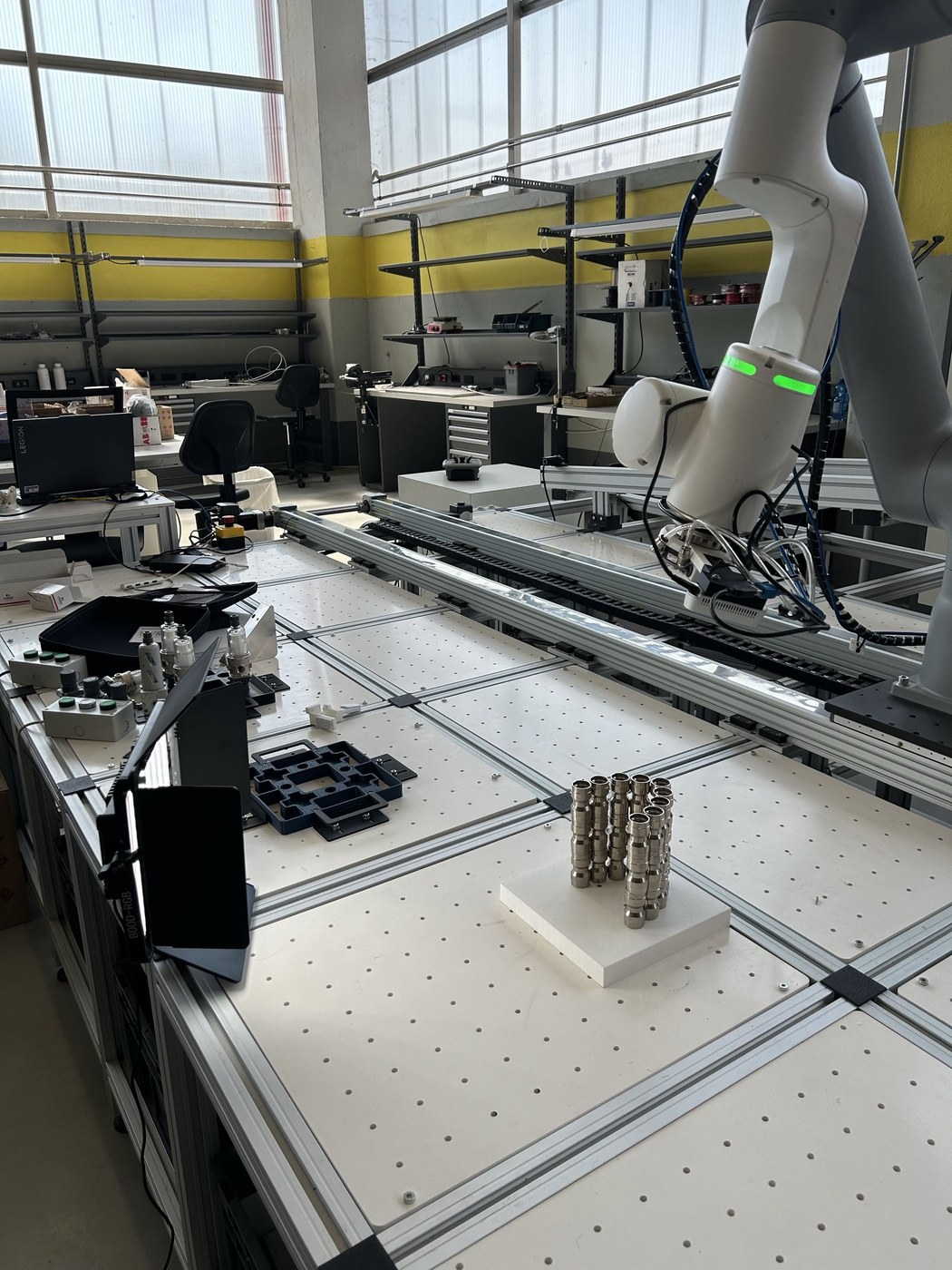
Experimental setup and robot acquisition views. Fixed lamps provide consistent illumination of the object workspace, ensuring repeatability across trials.

Results

Quantitative Results and Recovery Analysis

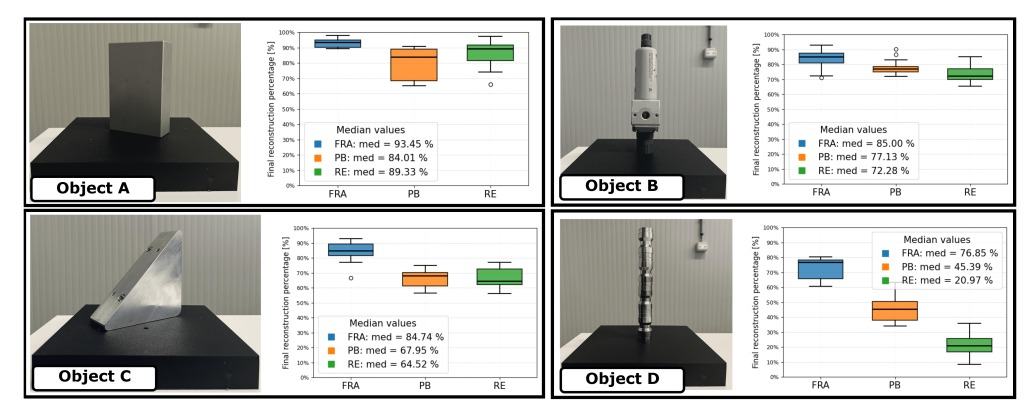
Objects and reconstruction percentages for the experimental validation
Objects used for the experimental validation, ordered with increasing difficulty from Object A to Object D. The object photographs are shown next to the final reconstruction percentages achieved by the compared NBV strategies, highlighting the effect of increasingly reflective surfaces.
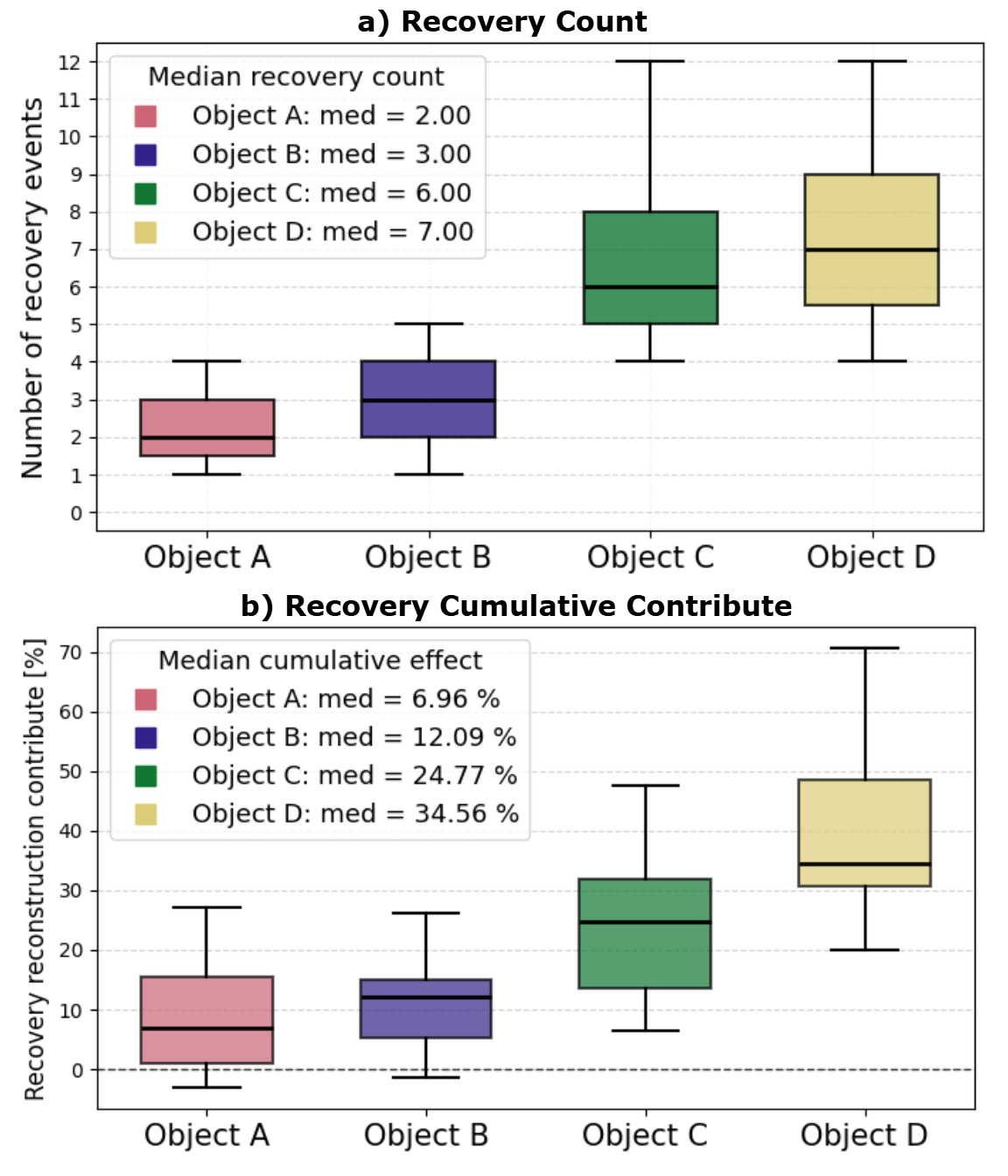
Recovery activations and reconstruction increment
Number of recovery activations and reconstruction increment provided by recovery poses.
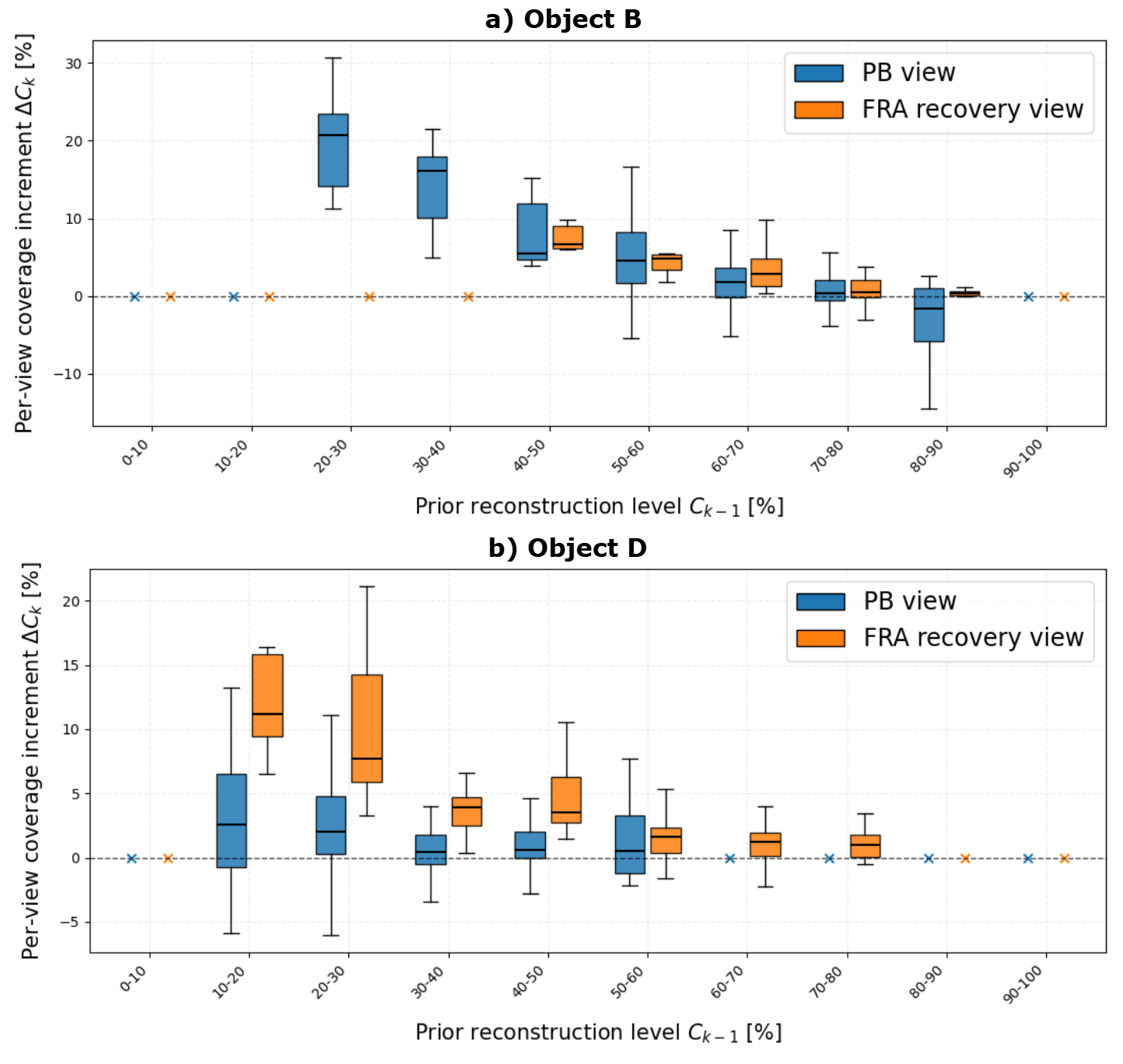
Per-view coverage increment
Per-view coverage increment comparing standard PB views and FRA recovery views.

Additional material

Concave Objects Qualitative Results

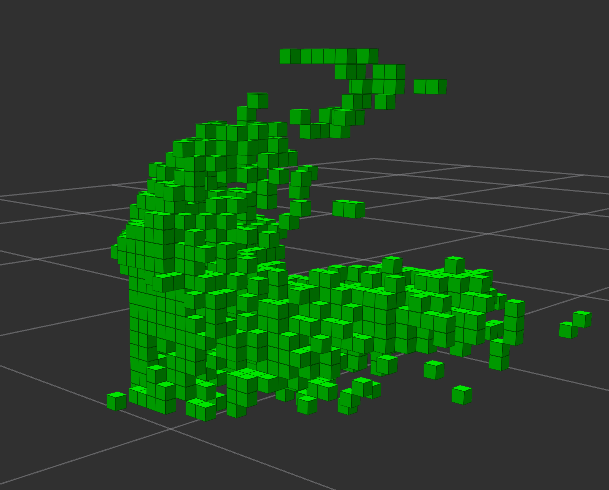
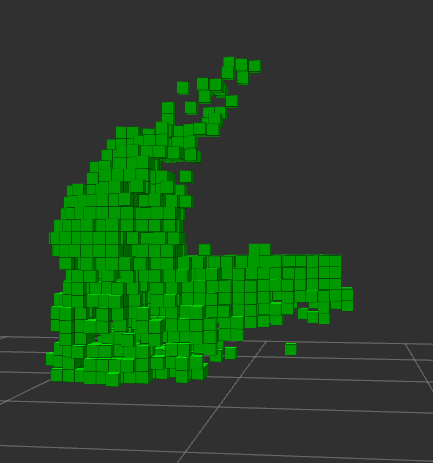
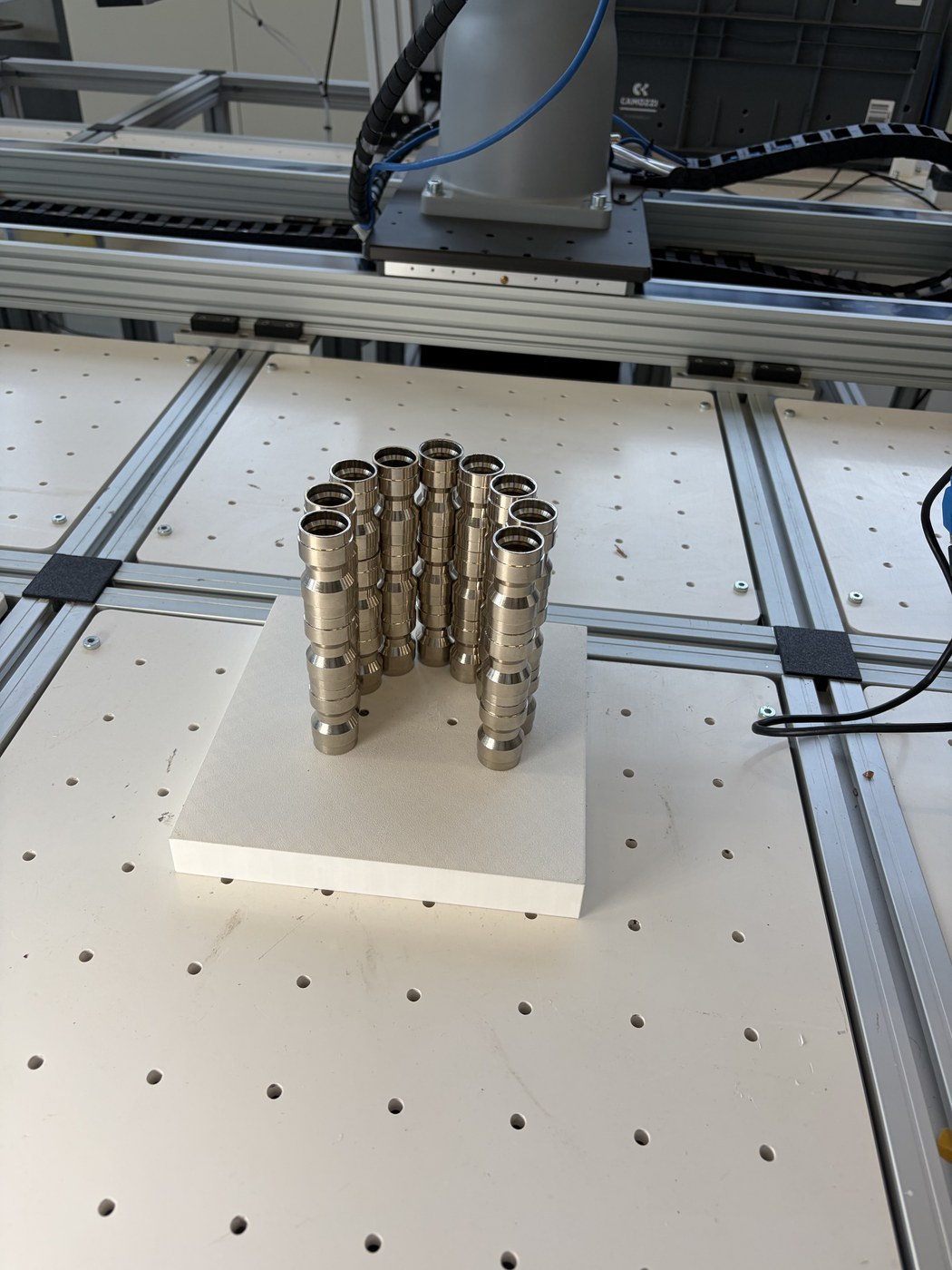
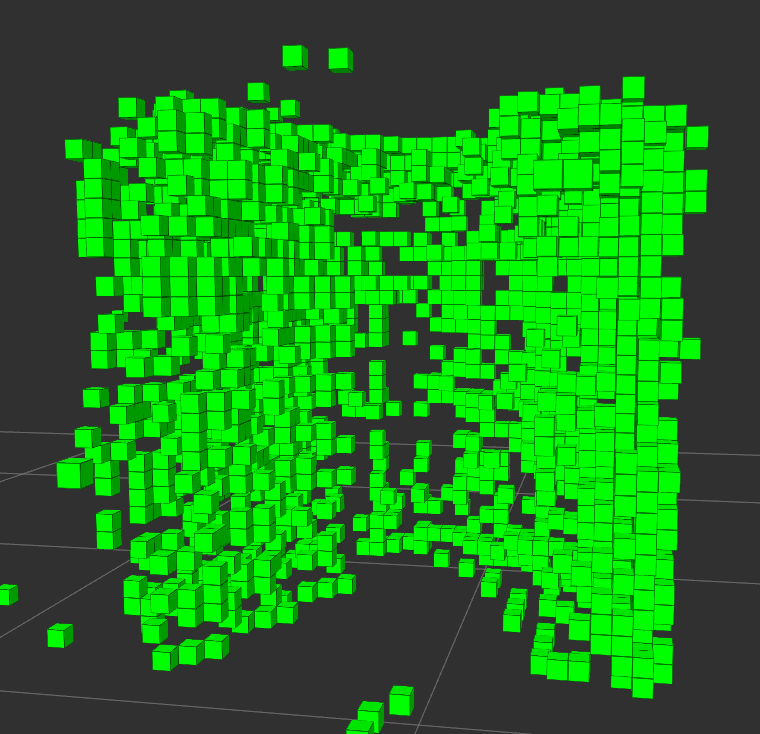
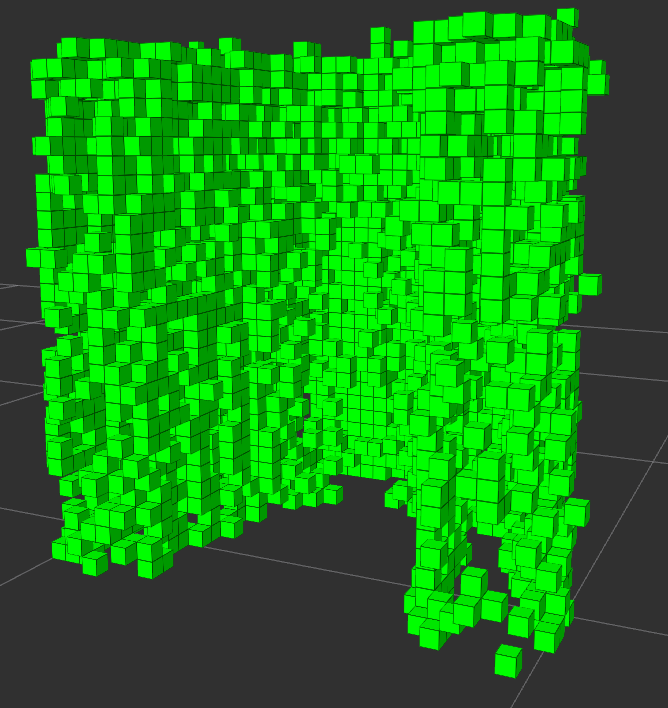
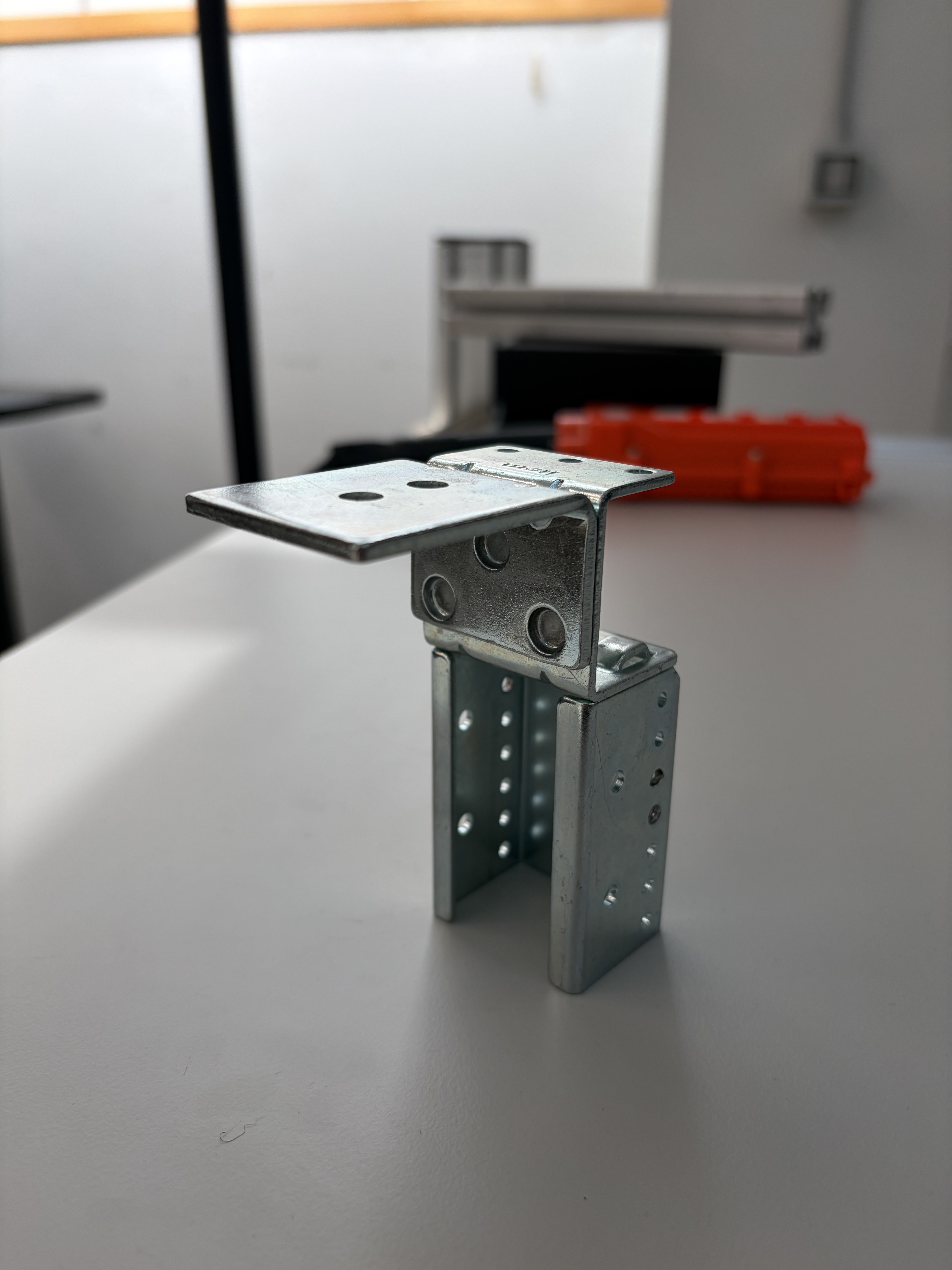
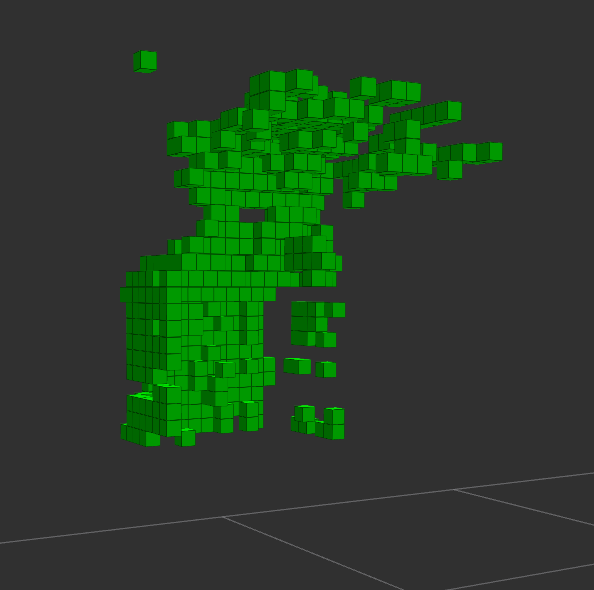
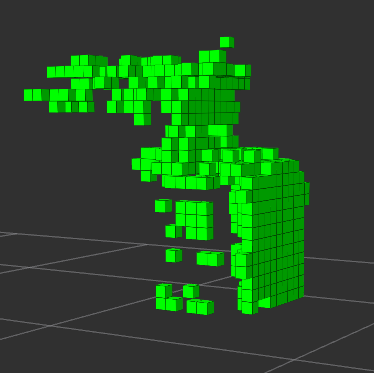
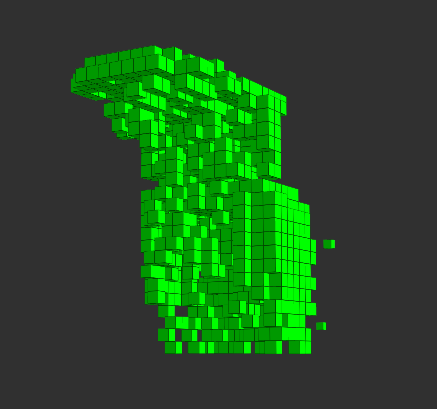
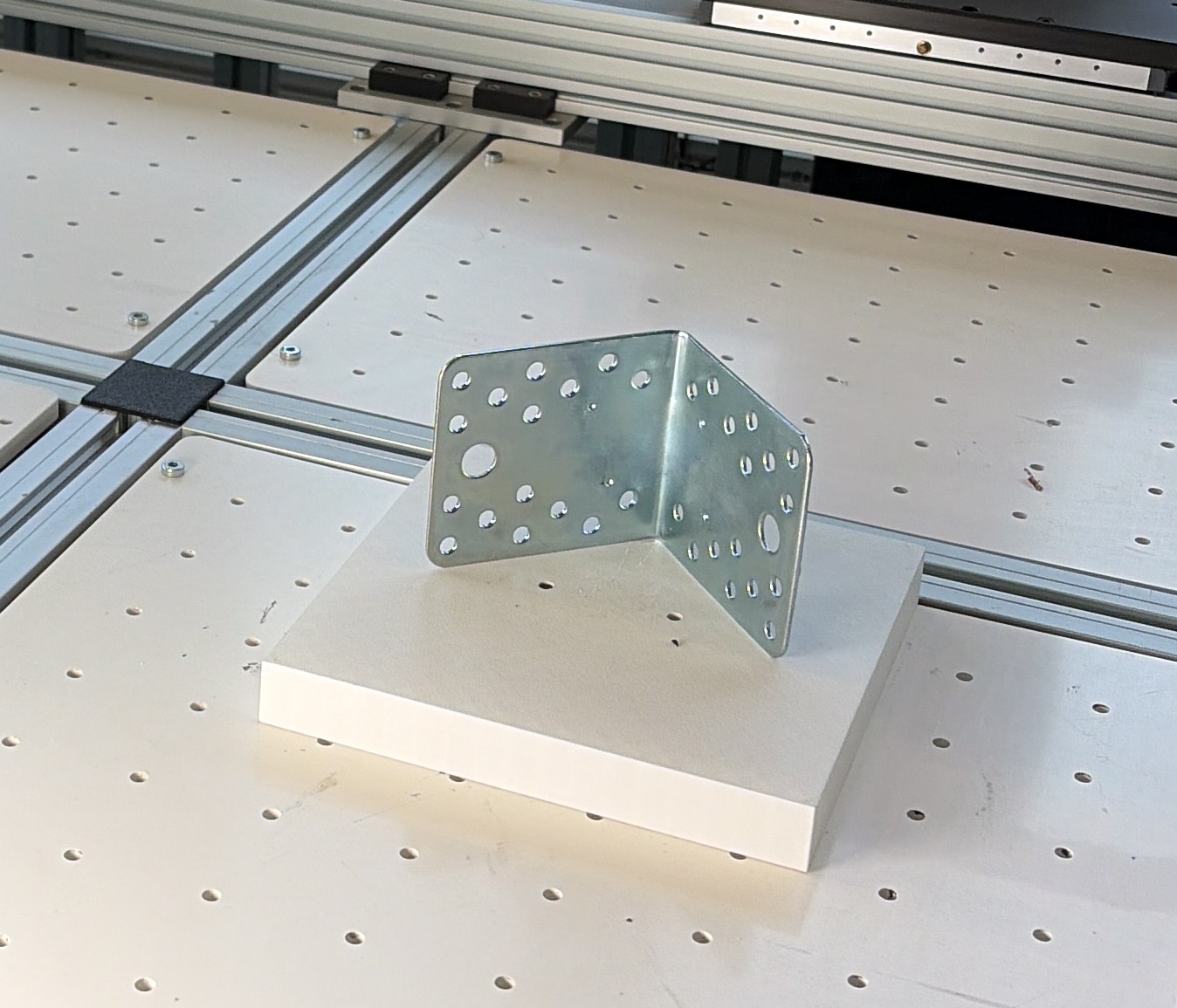
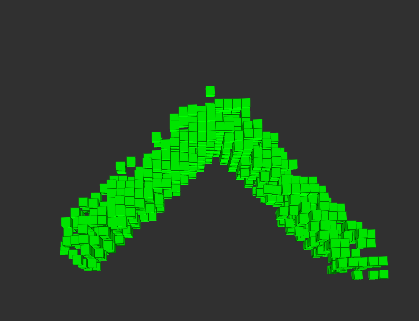
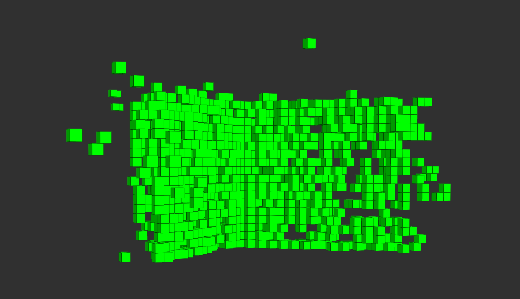
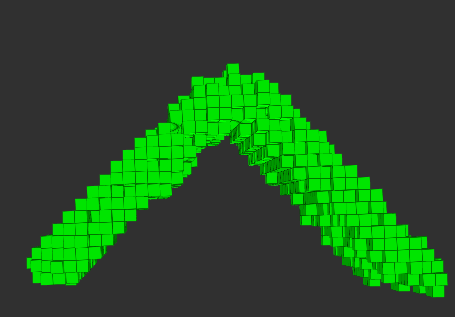
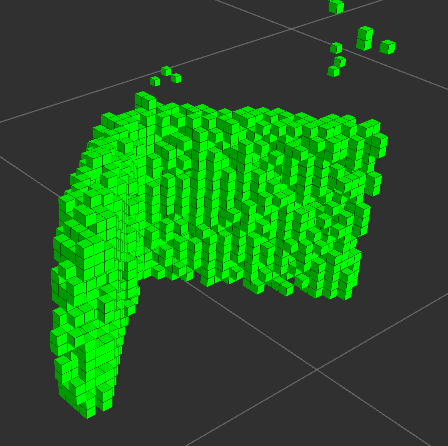
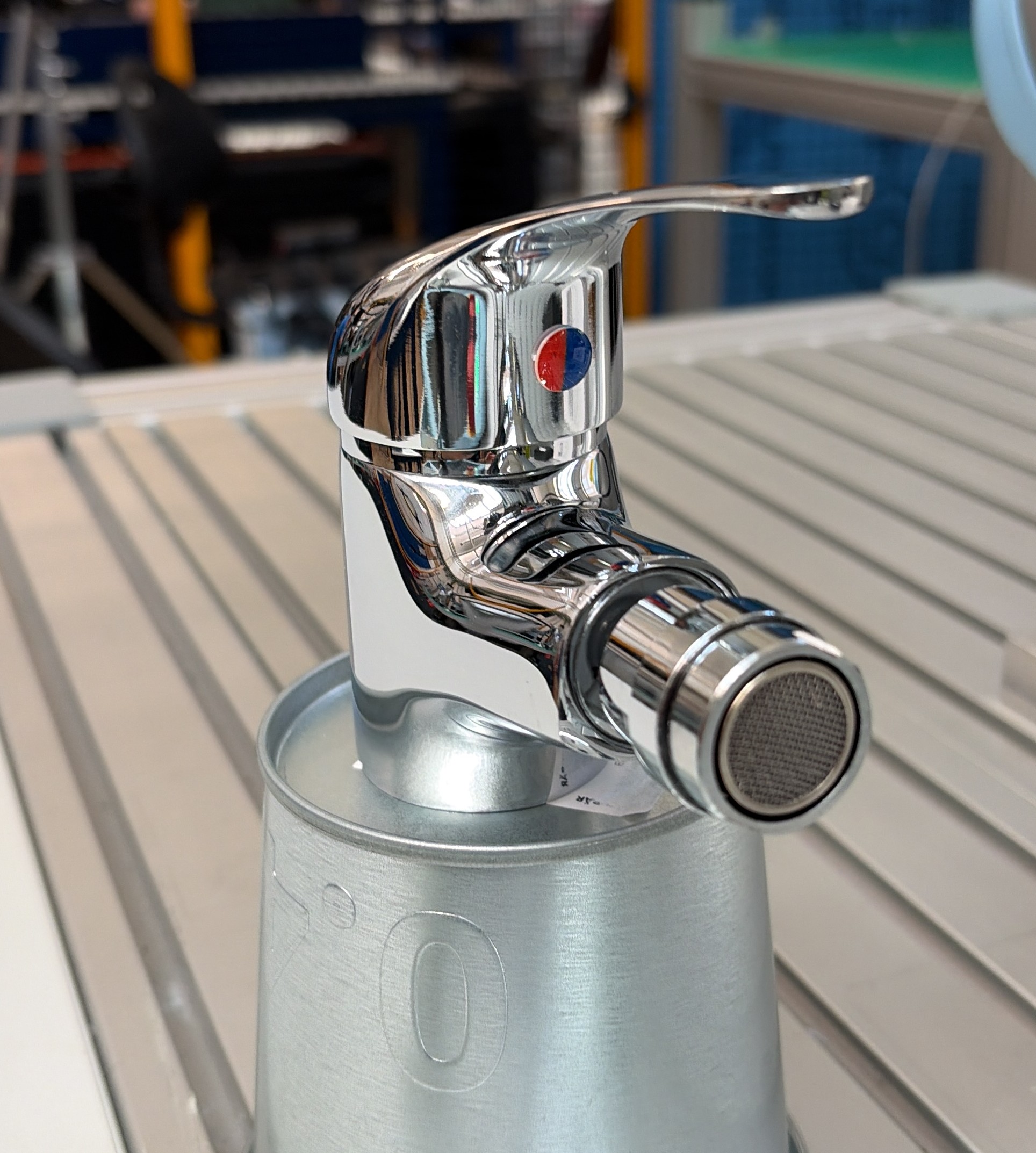
Concave objects and mutual reflections are challenging because changing the angle of incidence may not always be sufficient to recover missing depth measurements. We performed an additional qualitative evaluation on four objects characterized by reflective surfaces, concave regions, or both. CAD models were not available for these objects, so the comparison is qualitative. Overall, FRA-NBV remains less affected by concave and reflective regions than the PB-NBV baseline.
Object 1

Object 1 robot view
Robot view.
Object 1 close-up view
Close-up view.
Object 1 PB-NBV reconstruction, view A
PB-NBV, view A.
Object 1 PB-NBV reconstruction, view B
PB-NBV, view B.
Object 1 FRA-NBV reconstruction, view A
FRA-NBV, view A.
Object 1 FRA-NBV reconstruction, view B
FRA-NBV, view B.

Object 2

Object 2 robot view
Robot view.
Object 2 close-up view
Close-up view.
Object 2 PB-NBV reconstruction
PB-NBV.
Object 2 FRA-NBV reconstruction
FRA-NBV.

Object 3

Object 3 robot view
Robot view.
Object 3 close-up view
Close-up view.
Object 3 PB-NBV reconstruction
PB-NBV.
Object 3 FRA-NBV reconstruction
FRA-NBV.

Object 4

Object 4 robot view
Robot view.
Object 4 close-up view
Close-up view.
Object 4 PB-NBV reconstruction, view A
PB-NBV, view A.
Object 4 PB-NBV reconstruction, view B
PB-NBV, view B.
Object 4 FRA-NBV reconstruction
FRA-NBV.

Contact

For questions about the paper or additional material, contact giuseppefabio.preziosa@polimi.it.

Reference

Citation

@article{franbv2026,
  title   = {FRA-NBV: A Fast and Reflectivity-Aware Next-Best-View Strategy},
  author  = {TODO},
  journal = {IEEE Robotics and Automation Letters},
  year    = {2026},
  doi     = {TODO}
}